

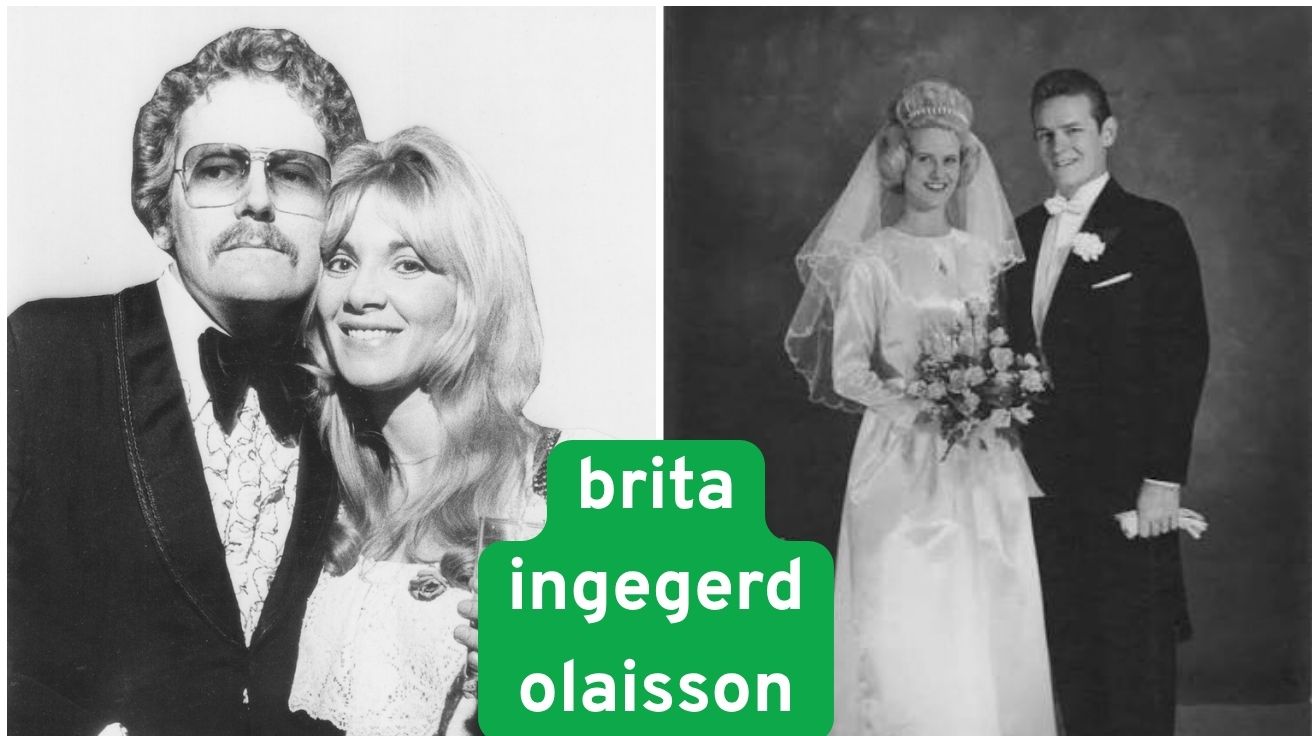
Brita Ingegerd Olaisson remains a name that many readers discover through Gordon Lightfoot’s life story, yet her own place in that story is meaningful and lasting. She was Lightfoot’s first wife, the mother of Fred and Ingrid, and a central figure during the years when the Canadian singer’s personal life and songwriting were becoming closely connected.
Born in Sweden and later living in Ontario, Canada, Brita’s story is tied to migration, family, marriage, and memory. She is remembered most clearly through her children, her marriage of a decade to Lightfoot, and the way her life became woven into one of his most personal songs.
Quick Facts
| Field | Details |
|---|---|
| Full Name | Brita Ingegerd Olaisson |
| Also Known As | Brita Ingegerd Kristina Lightfoot |
| Birth Year | 1935 |
| Date of Birth | December 3, 1935 |
| Birthplace | Sweden |
| Nationality | Swedish |
| Spouse | Gordon Lightfoot |
| Marriage Year | 1963 |
| Divorce Year | 1973 |
| Children | Fred Lightfoot, Ingrid Lightfoot |
| Date of Death | June 8, 2005 |
| Age at Death | 69 |
| Known For | First wife of Gordon Lightfoot and mother of two children |
Early Life in Sweden
Brita Ingegerd Olaisson was born in 1935 in Sweden, and her early years were shaped by a European upbringing before she later became part of a very different life in Canada. Her biography is not built around a public career or stage presence; instead, it is remembered through family ties and the personal history that came later. That quiet background is part of what makes her story feel so human and grounded.
Accounts about her life describe her as Swedish-born and later connected to Toronto, where she entered the world of Gordon Lightfoot. That move placed her at the center of a relationship that would become part of Canadian music history. Even without a celebrity lifestyle, her life left a visible mark through the family she built and the songs that followed.
How Brita Met Gordon Lightfoot
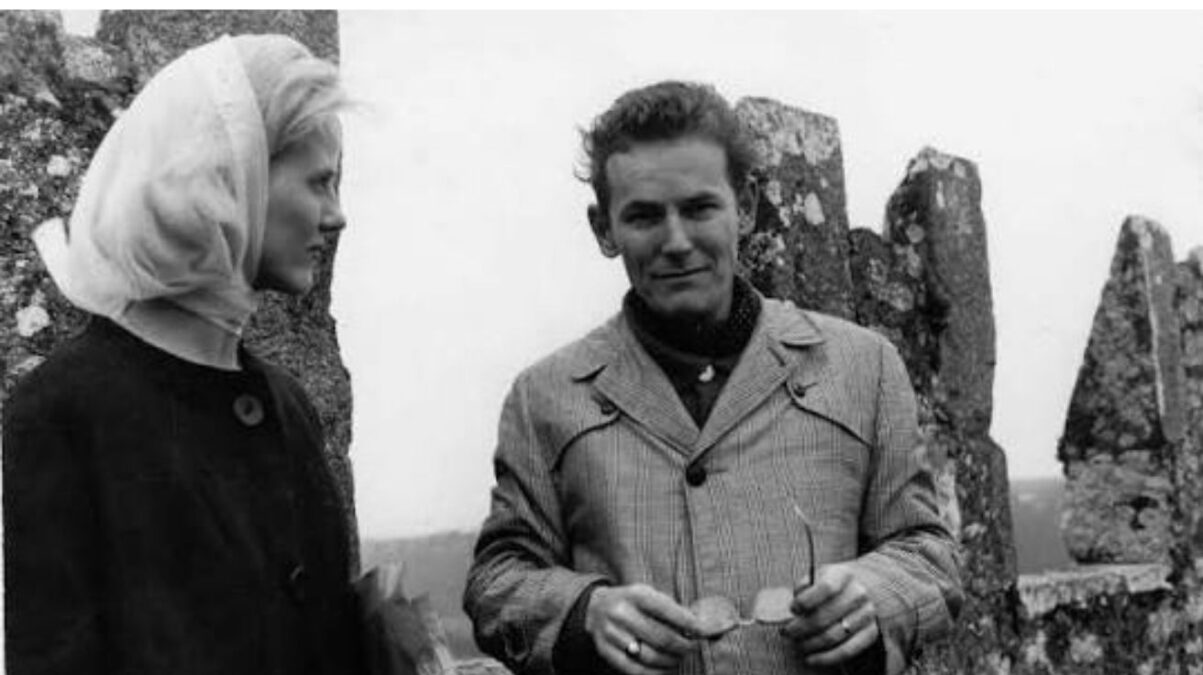
Brita became linked to Gordon Lightfoot during the early years of his career, when he was still establishing himself as a songwriter and performer. Their connection grew during a period when Lightfoot was touring, writing, and building the reputation that would later make him one of Canada’s best-known musical voices. Their relationship began before his fame reached its peak, which gave their story a personal and formative quality.
Biographical accounts describe Brita as a Swedish woman who had come to Canada and crossed paths with Lightfoot in Toronto. Their relationship moved quickly into marriage, and in 1963 they began a family life that would last for a decade. That marriage became one of the most important personal chapters in Lightfoot’s early adult life.
Marriage and Family Life
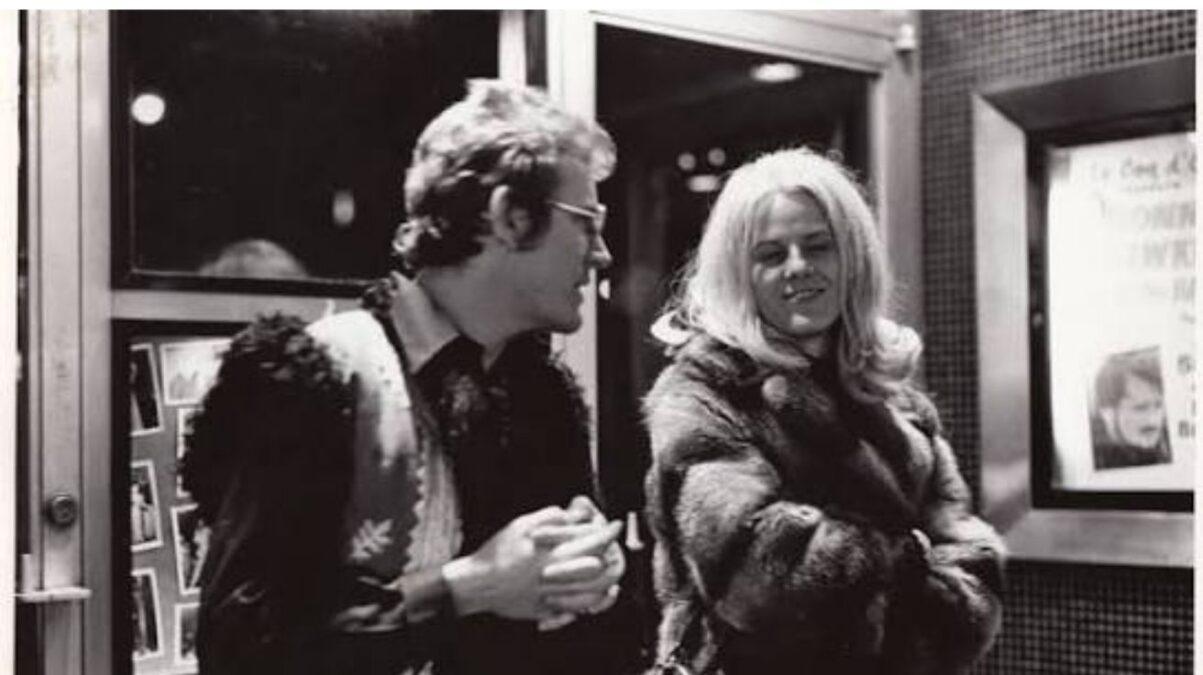
Brita and Gordon Lightfoot married in 1963, and together they had two children, Fred and Ingrid. Their family life unfolded while Lightfoot’s career demanded more time on the road, and that tension between home and touring shaped much of the emotional history around the marriage. Brita became the steady center of the household while Lightfoot pursued his work across Canada and beyond.
Her role as a mother is one of the clearest and most enduring parts of her legacy. Obituary notices remembered her as the beloved mother of Fred and Ingrid, and later family references also connected her to grandchildren who were part of her life. That family connection matters because it shows Brita not only as a famous musician’s first wife, but as a mother and grandmother whose life extended well beyond the headlines.
Find more exclusive stories on Tech Mind
Divorce and Public Attention
The marriage ended in 1973, after ten years together. Their separation became part of the public record because Lightfoot’s personal life was already linked to his music, and because the breakup resonated with listeners who heard echoes of that experience in his songs. The divorce also marked the end of one of the most closely watched early relationships in his life.
For Brita, the end of the marriage did not erase her place in the larger story. She remained the mother of Lightfoot’s first two children, and her life continued apart from the public attention attached to him. In that sense, her name became tied to music history, but her own identity stayed rooted in family and private living rather than fame.
The Songwriting Legacy Connected to Brita
Brita’s life is strongly associated with “If You Could Read My Mind,” one of Gordon Lightfoot’s best-known songs. The song was written during a period of emotional strain and later came to be understood as reflecting the breakdown of his marriage. That connection gave Brita a lasting place in music history, even though she never sought the spotlight herself.
Other Lightfoot songs and performances also carried traces of that period, turning private feeling into public art. Brita’s presence in that story matters because it shows how deeply personal experiences can shape a songwriter’s work. Her marriage helped define a creative chapter that listeners still return to, and that keeps her name relevant in biographies of Lightfoot’s career.
Later Life and Final Years
After the divorce, Brita lived a more private life in Ontario, where she remained connected to her children and grandchildren. Her family remembered her as a woman who valued home, stability, and the everyday rhythms of life. The public story around her may have started with marriage, but her later years belonged to family and personal memory.
Brita died on June 8, 2005, at Scarborough General Hospital in Ontario, Canada. She was 69 years old. Funeral and memorial notices remembered her as Brita Ingegerd Kristina Lightfoot, formerly Olaisson, and noted her children, grandchildren, and former husband, which makes clear how her identity remained linked to both her birth name and her family life.
A Private Life Beyond Fame
Brita’s life stands out because it never became a celebrity brand. She was known through family, marriage, and remembrance, not through a public career, interviews, or entertainment appearances. That quieter path gives her story a different tone from the fame that surrounded Gordon Lightfoot, and it makes her biography feel more intimate than glamorous.
Her legacy was preserved through the people who knew her best. Family references describe her as happy, stable, and deeply involved with her loved ones. She is remembered not only in connection with a famous marriage, but also as someone whose life was built around children, grandchildren, and the private world she created for herself after the marriage ended.
Fun Facts
- Brita Ingegerd Olaisson was born in Sweden and later became part of Canadian music history.
- She was Gordon Lightfoot’s first wife and the mother of Fred and Ingrid.
- Her marriage to Lightfoot lasted ten years, from 1963 to 1973.
- She is remembered in connection with “If You Could Read My Mind,” one of Lightfoot’s signature songs.
- Memorial notices describe her as a cherished mother and grandmother.
Conclusion
Brita Ingegerd Olaisson lived a life that many people know only through Gordon Lightfoot’s biography, but her story is more than a footnote in someone else’s fame. She was a Swedish-born woman, a mother, a grandmother, and the first wife of one of Canada’s most important songwriters.
Her legacy endures because her life shaped part of Lightfoot’s most personal music and because her family continued to remember her with warmth and respect. Brita’s story is quiet, but it is also lasting, and that is what makes it worth telling.
FAQs
Who was Brita Ingegerd Olaisson?
Brita Ingegerd Olaisson was Gordon Lightfoot’s first wife and the mother of Fred and Ingrid.
When was Brita Ingegerd Olaisson born?
She was born on December 3, 1935, in Sweden.
When did Brita Ingegerd Olaisson die?
She died on June 8, 2005, in Ontario, Canada.
How many children did Brita Ingegerd Olaisson have?
She had two children: Fred and Ingrid.
Why is Brita Ingegerd Olaisson remembered?
She is remembered for her family role and her connection to Gordon Lightfoot’s personal and musical history.
